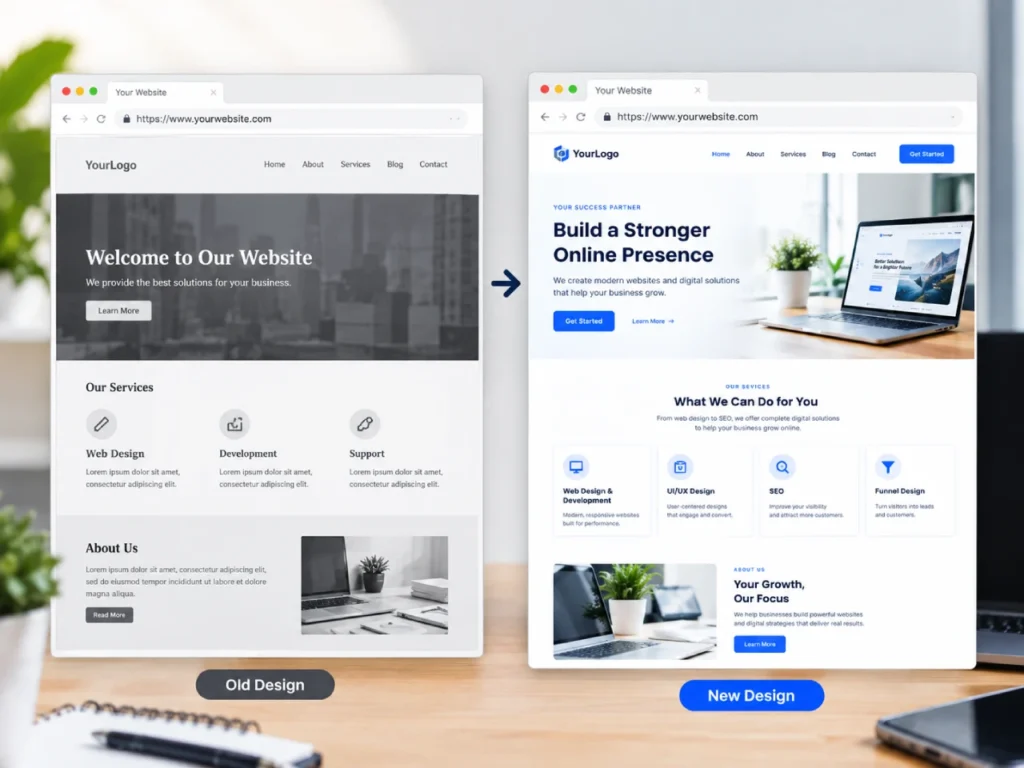
Why “Technically Fine” Sites Get Stuck
Here is the uncomfortable part: Google does not have a “this site is well built” ranking factor. A clean site passes a technical audit, and that is table stakes. It does not win you page 1.
What actually decides rankings is a question: of all the pages that mention a keyword, which one is the best answer for the person who typed it? Four things answer that question, and any one of them can hold a page on page 2.
Reason 1: Authority (Your Links vs Theirs)
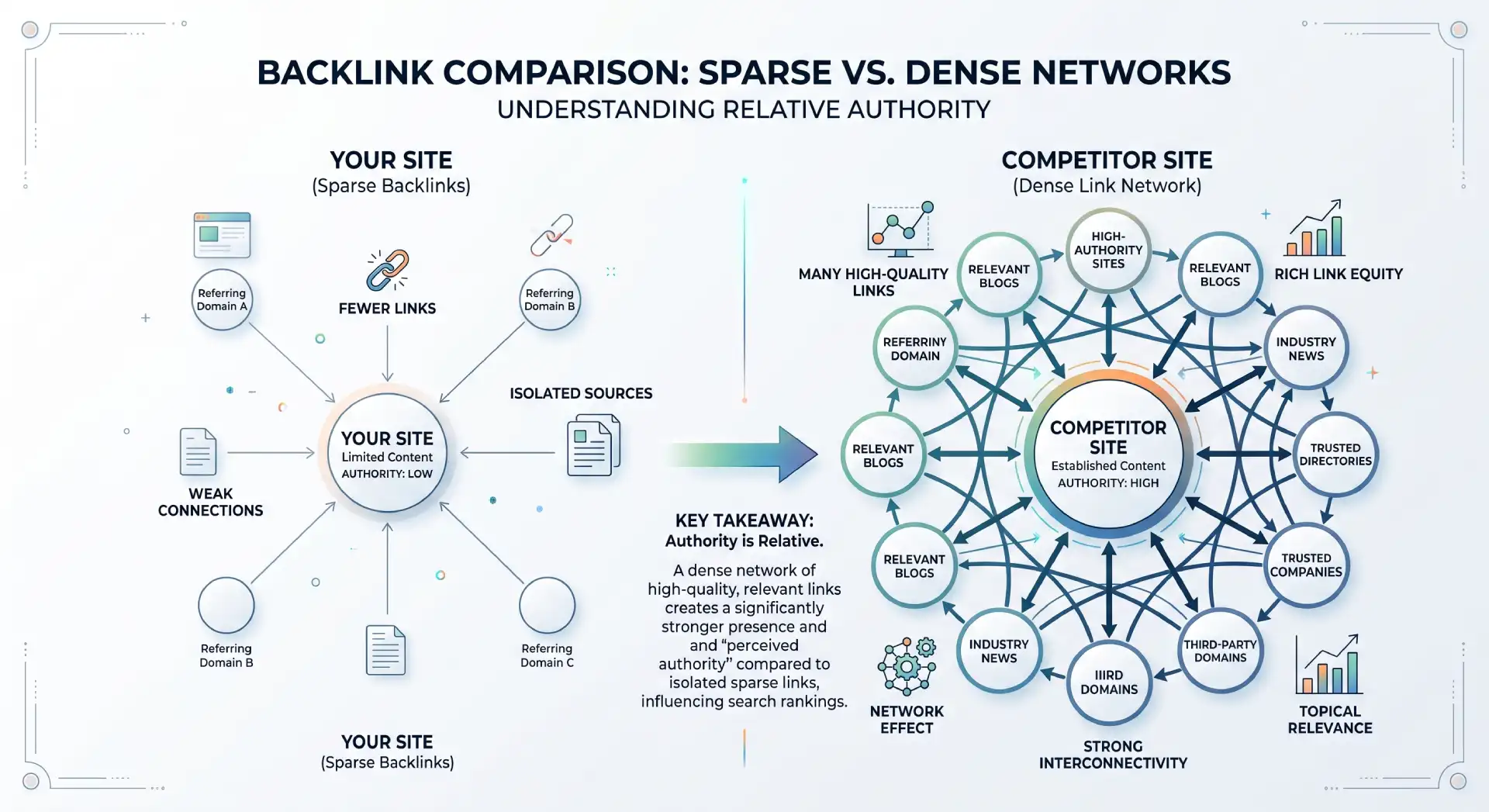
The 102-backlink site is a good example. 102 links sounds like a lot until you look at who ranks above you. The pages on page 1 for commercial keywords often have hundreds or thousands of referring domains, and the links point at the exact page that is ranking, not just the homepage.
Authority is not one number. It is relative. You do not need to beat the whole internet. You need to beat the three or four pages directly above you. If those pages have stronger links pointing at the ranking page, you stay behind them no matter how good your content is.
The fix is not to buy links. It is to earn a handful of relevant ones that point at the page you want to rank. A supplier, a partner, a local business directory in your city, a guest post on a site in your niche. Ten relevant links can outrank two hundred random ones.
Reason 2: Keyword Intent (The Wrong Page Is Ranking)
This is the most common silent killer, and it is usually invisible to the site owner.
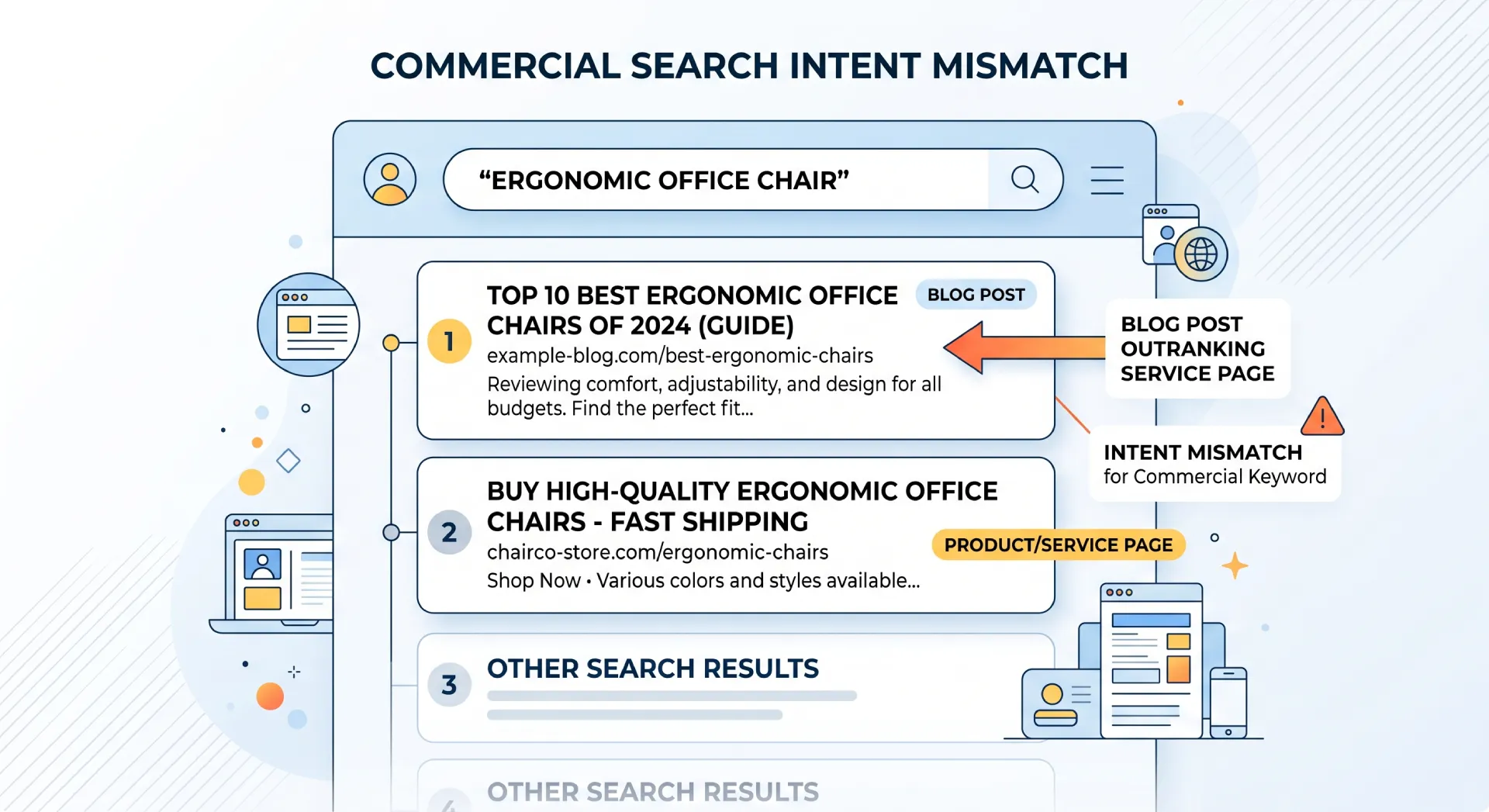
Say you want to rank for “web design philippines,” but Google keeps showing your homepage while your actual web design service page sits below it. Or your blog post about pricing is ranking for a buying-intent keyword that your service page should own. When the wrong page ranks, Google shows it, nobody clicks the way they should, and the page stalls on page 2 because the intent does not match.
The fix is to look at what page Google is already ranking for each keyword, then make that page the best answer. If the homepage keeps ranking for “web design philippines,” strengthen the homepage’s relevance to that term. If a service page should own the keyword, point internal links at it with exact-match anchors until Google gets the message.
Reason 3: Content Depth (The Page Does Not Fully Answer)
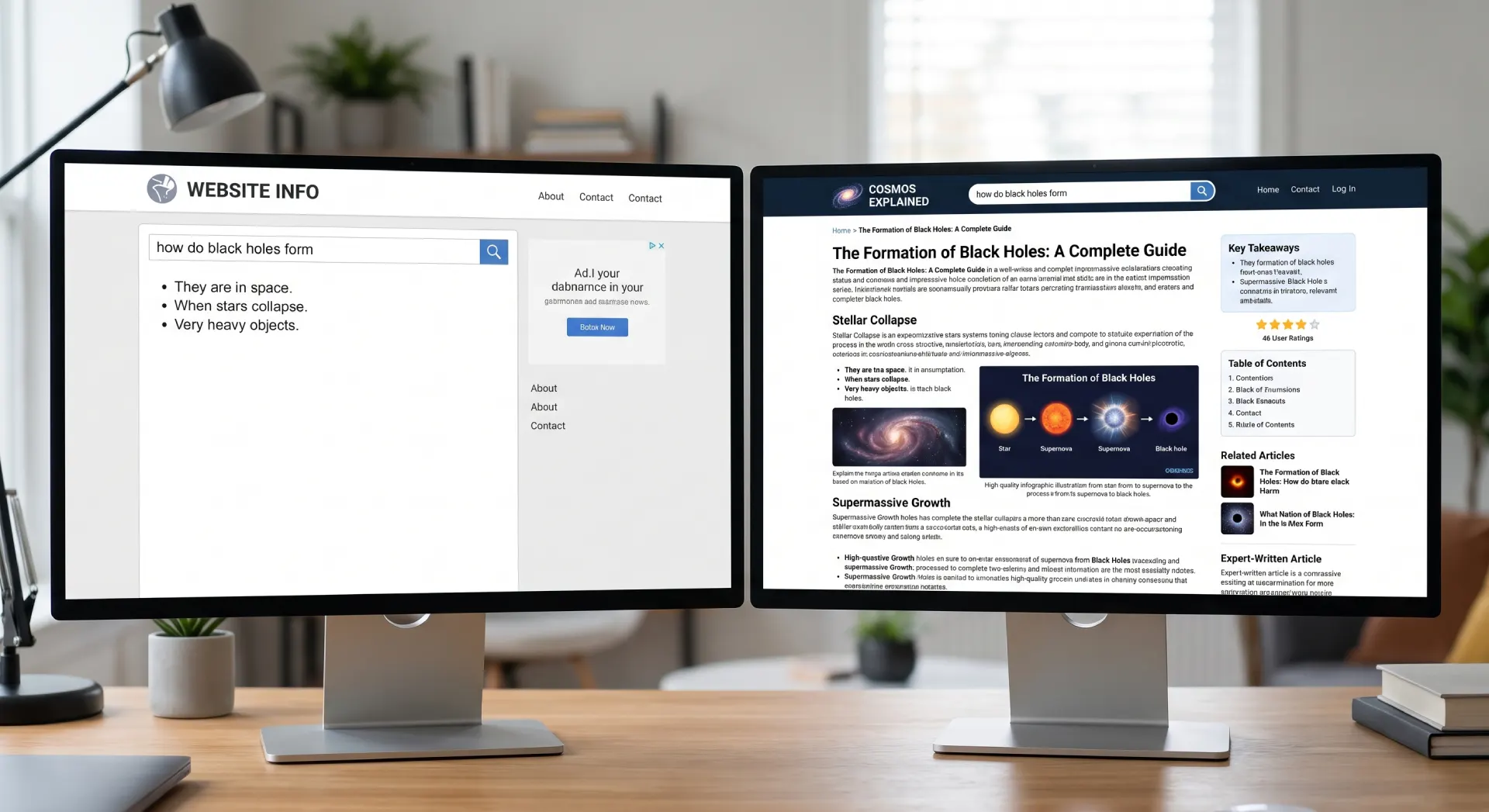
A page can be well written and still not answer the full question. Google knows what people who search a keyword are actually trying to find out, and it rewards the page that answers every part of it.
A page stuck on page 2 is usually missing one of three things: the direct answer up top, the supporting detail a buyer needs to decide, or the questions people ask after the main question. The pages on page 1 tend to answer the query in the first paragraph, then cover price, process, and objections. A page that only covers the headline topic leaves room for someone else to be the complete answer.
The fix is not more words. It is the missing answers. Look at the top five pages for your keyword and ask what they cover that you do not. Then add exactly that. If you are not sure which changes move the needle, this SEO and web design guide walks through the on-page fixes that matter most.
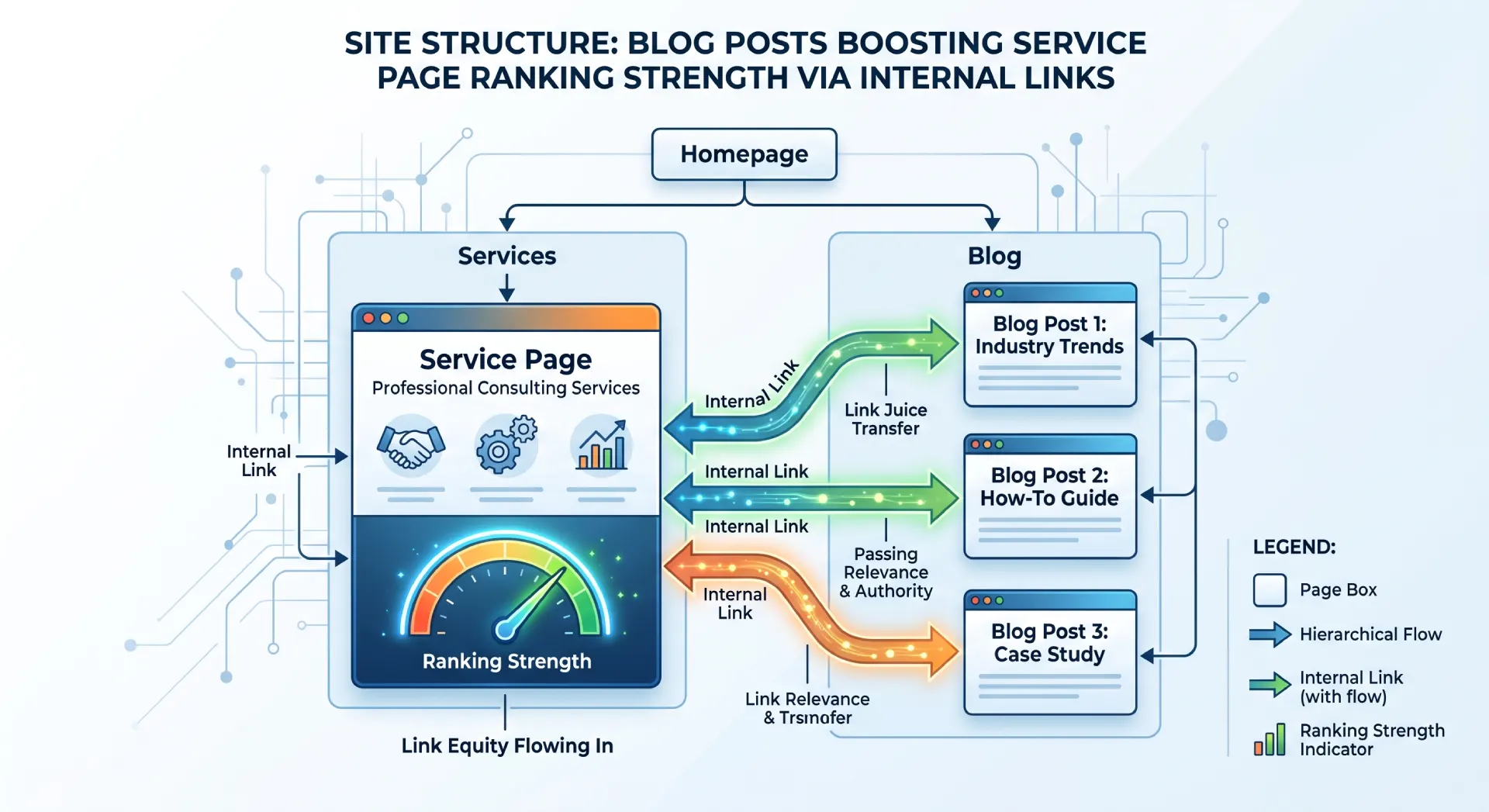
Reason 4: Internal Structure (No Strength Is Passed)
Every page on your site either passes ranking strength or keeps it to itself. Most small business sites have a blog that never links to the money pages, and service pages that never link to each other. That means the pages you want to rank are getting no help from the pages that already have authority.
The fix is deliberate internal linking. Every blog post should link to the one service page it supports, with anchor text that says what the page is about. When I rebuilt a client site in Baguio City this way, the service pages that had been sitting on page 2 started climbing within a few weeks, not because the pages changed, but because the whole site started pointing at them.
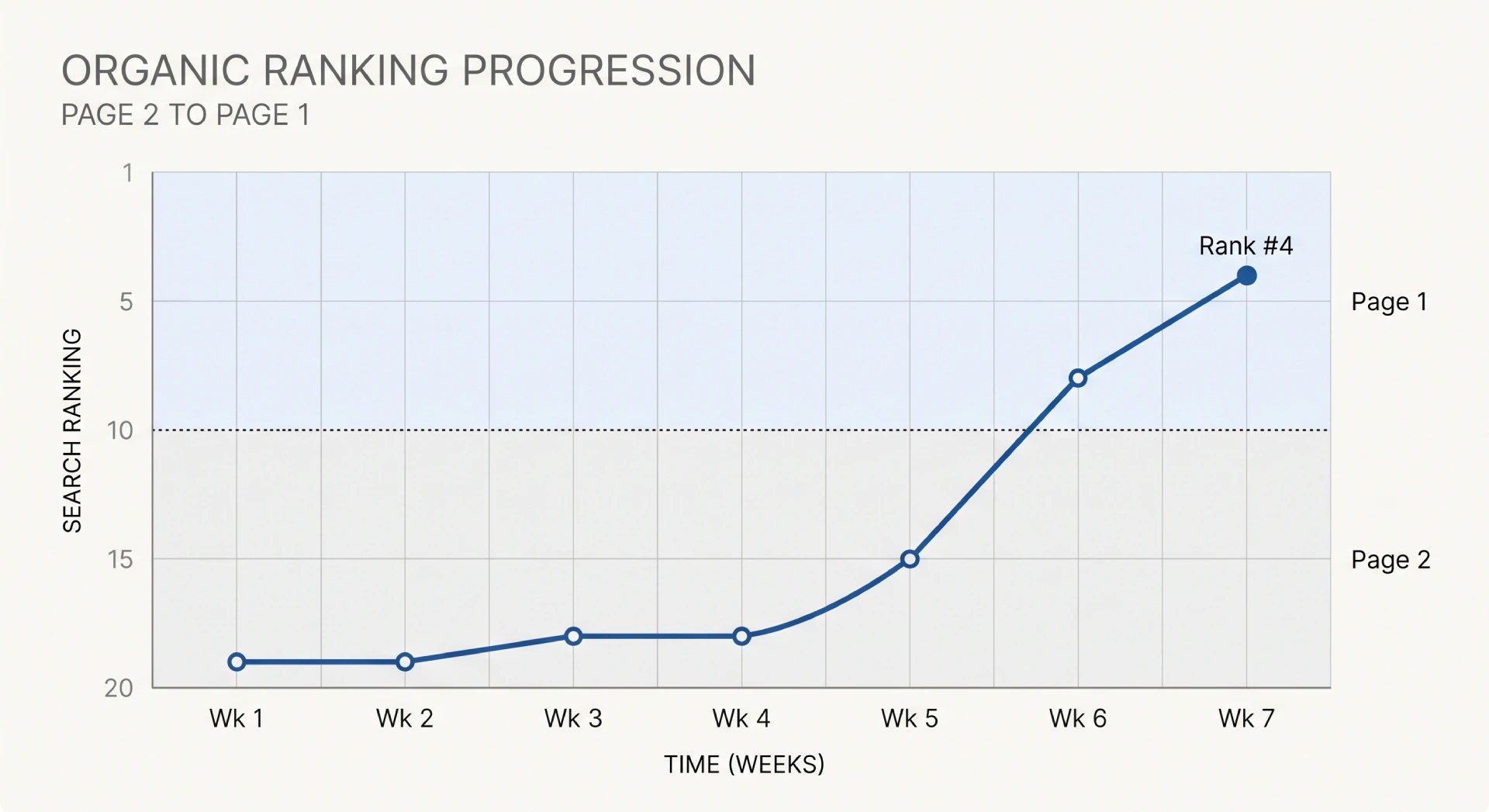
What Actually Moves a Page From Page 2 to Page 1
Here is the sequence I run, in order of what usually moves the needle fastest.
Confirm what is already ranking. Open Google Search Console and find which page ranks for each keyword and at what position. Do not guess. The data is already there.
Fix the intent mismatch. Make sure the right page is targeting each keyword, and that the page actually says the keyword in the title, the first 100 words, and a heading.
Add the missing answers. Put the direct answer at the top, then cover price, process, and objections the way the page 1 results do.
Point internal links at the page. Every relevant blog post links to the service page with exact-match anchor text. Do not overdo it. Three to five well-placed links beat thirty random ones.
Earn a few relevant links. One link from a partner or a local directory that points at the ranking page is worth more than most people think.
Most pages stuck on page 2 or 3 do not need a redesign or a content factory. They need one or two of these fixed. If you want someone to run this diagnosis on your site and hand you the specific fixes, that is exactly what my on-page and technical SEO service does.
What Are the Most Common SEO Mistakes?
Most SEO mistakes that hold a page on page 2 are not technical. They are targeting the wrong keyword with the wrong page, publishing content that does not fully answer the query, and never pointing internal links at the pages that should rank. A site can pass every technical audit and still make all three of these mistakes, which is why a clean, fast site can stay invisible.
The fastest way to spot them is to compare your page against the pages already on page 1. If the top results are service pages and yours is a blog post, that is an intent mismatch. If the top results answer five related questions and yours answers one, that is a depth gap. If your money pages have no internal links pointing at them, that is a structure problem. Fix the specific mistake, and the page usually moves.
How to Improve SEO on WordPress
Improving SEO on WordPress usually comes down to three things: install one solid SEO plugin, assign one clear focus keyword per page, and keep the site fast by limiting plugins and optimizing images. WordPress is already SEO-friendly out of the box, but most sites undo that by piling on too many plugins, leaving meta titles empty, and letting Google index thin tag and category pages.
Start with the pages that should be ranking. Give each one a unique title tag and meta description built around its focus keyword, then point internal links at it from related posts and service pages. For most WordPress sites, that combination, done consistently, moves more than any redesign or content volume ever will.