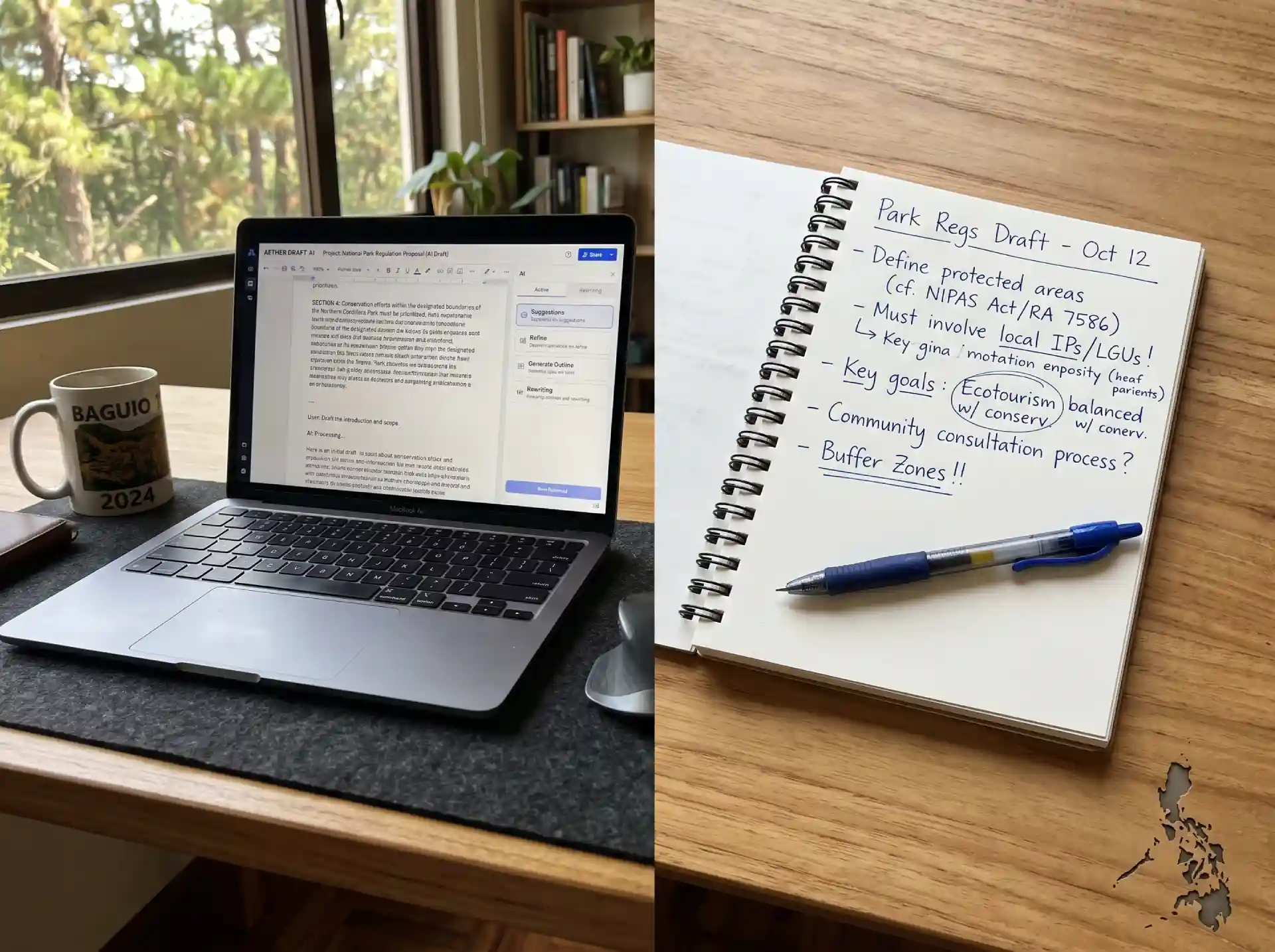
What Is Generative AI Content Creation?
Generative AI content creation is producing text, images, or other content with tools like ChatGPT, Claude, or Gemini by giving them a prompt and letting them generate the output. It is fast and inexpensive, but the quality ceiling is the prompt and the human review that follows it.
For most businesses, generative AI is a drafting tool, not a publishing tool. It is strong on outlines, first drafts, summaries, and rewrites, which is where the speed pays off. It is weaker on the things that make content trustworthy: first-hand experience, a real point of view, and getting every fact right. That is why the workflow later in this post keeps a human at the start and the end of everything AI touches.
Where Is AI Genuinely Good?

AI writing tools are not a gimmick. They are fast, cheap, and better than most people expect at a specific set of jobs.
First drafts and outlines. Give an AI tool a topic and it returns a structure and a rough draft in seconds. That is real leverage when you have a blank page and a deadline.
Summaries and repurposing. Turning a long article into a social post, an email, or a product description is grunt work, and AI does it well.
Rewriting and tightening. Taking an existing sentence and making it shorter, clearer, or grammatically clean is exactly the kind of mechanical task AI handles reliably.
Keyword research and angle suggestions. AI can surface the questions people ask and the angles to cover, which is genuinely useful for planning content.
Notice the pattern. Every one of these is a job where speed and volume matter more than judgment. AI is strong exactly there.
Where Do Human Writers Still Win?
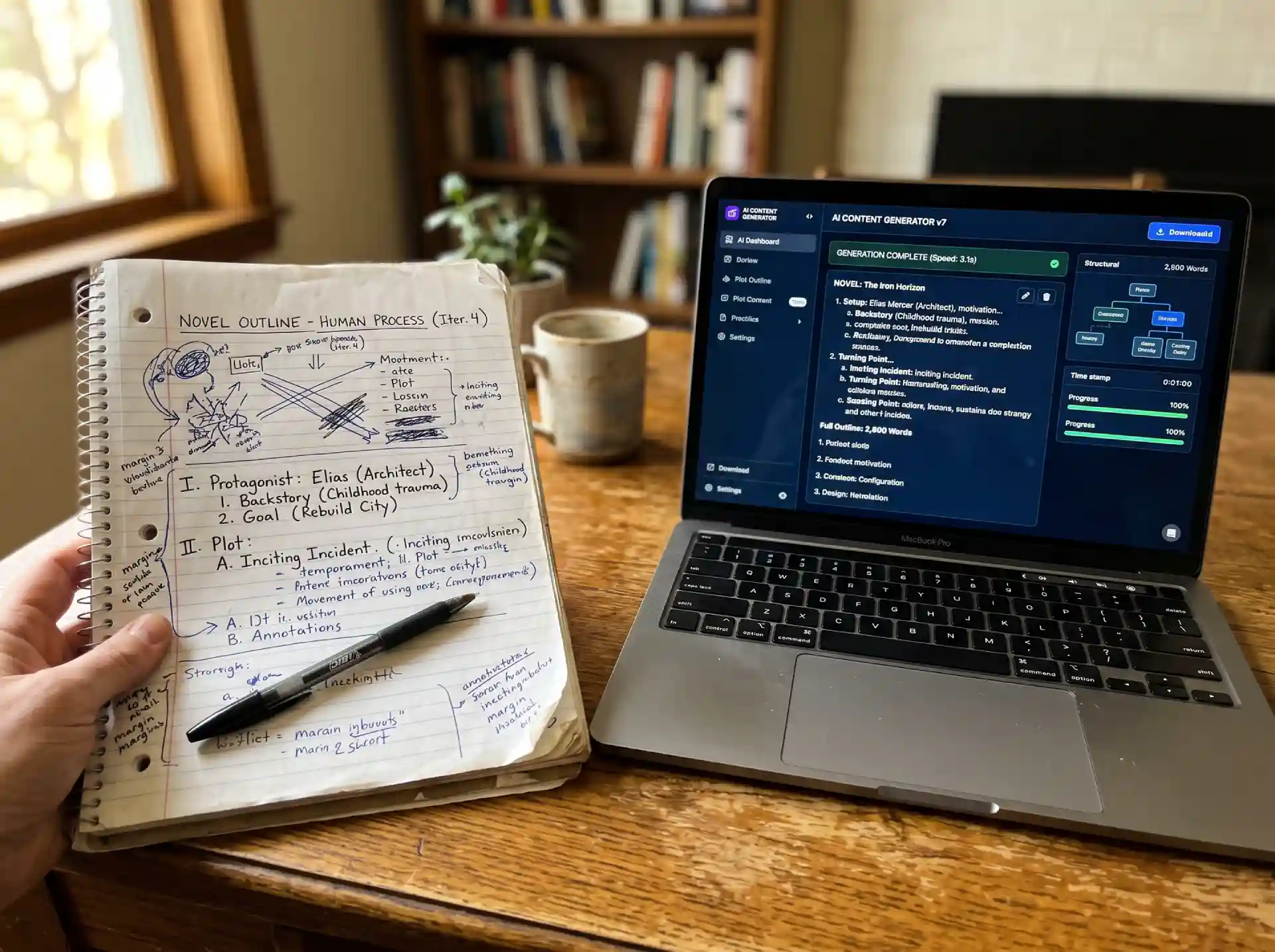
AI has a harder time the closer the work gets to experience and trust.
First-hand experience. AI cannot have run a web design project in Baguio City or cleaned up a client site after a bad plugin update. It can describe those things generically, but it cannot have done them, and the difference shows in the details.
Opinion and judgment. AI predicts the most likely next word. It does not have a point of view, and it cannot defend one. The content that builds an audience is opinionated, and AI is structurally allergic to taking a real position.
Getting facts right. AI will confidently state things that are wrong. A human writer with subject knowledge catches those. A writer who just pastes AI output does not.
Reading like a person. This is the part most people sense but cannot name. AI text has tells: the same sentence rhythms, the same filler, the same safe, even tone. A human editor removes that, and the writing becomes something people finish reading.
What Do Google and AI Search Actually Reward?
Here is where the business case lands. The content that ranks now is content that demonstrates experience, expertise, authority, and trust. Google calls this E-E-A-T, and AI search engines like ChatGPT and Perplexity favor the same thing: a specific, self-contained answer from a source that clearly knows what it is talking about.
The key point is that Google judges the output, not the tool. Google does not penalize content just because it was made with AI. Its stated position is “rewarding high-quality content, however it is produced”, and its spam policies target scaled, low-value content abuse regardless of how the content was made.
Generic AI content fails both. It has no first-hand experience, so it earns no trust. It is often wrong, so it earns no citation. And because everyone can produce it instantly, it faces more competition than ever.
The content that wins is specific. Real numbers. Named examples. A point of view. That is human territory, and it happens to be what AI cannot fake well.
The Honest Answer to “Will AI Replace Human Writers?”
No, not for the writing that actually does a job for a business.
AI will replace the writer whose only skill is producing generic words on demand, because AI does that faster and for free. It will not replace the writer who brings experience, judgment, and a voice, because those are the exact things a business pays for and the exact things AI cannot produce.
The practical read is simpler. The businesses that publish thoughtful, specific, human content will stand out more, not less, as generic AI content floods the web. The bar for “good enough” dropped. The value of “actually good” went up.
How Do You Use Both Without It Reading Like AI?
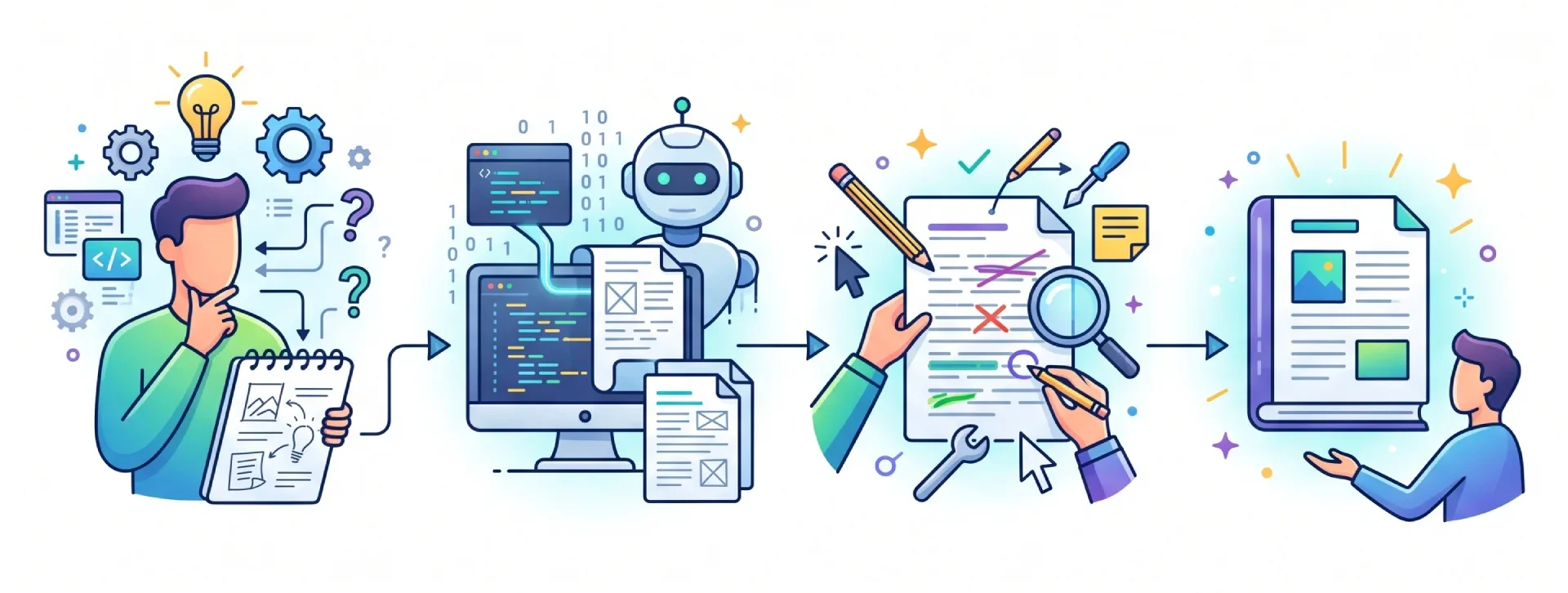
You do not have to choose. Here is the workflow I use, and it works for a one-person business.
- Human does the thinking. Decide the angle, the opinion, and the specific examples only you have.
- AI does the drafting. Use it to outline and get a rough first draft fast.
- Human does the editing. Replace the generic parts with real detail, fix the facts, cut the AI tells, and write it in your own voice.
- Publish with a name on it. An author who is a real person, with real experience, is an E-E-A-T signal all by itself.
The difference between this and “posting AI content” is the human pass. It is what turns a draft into something that sounds like you and reads like it was written by someone who knows.
If you want content that sounds like you and ranks, that is exactly what my SEO content writing service does. I write it, I optimize it, and I make sure it reads like a person wrote it because one did. If you are also curious how content gets cited by AI search engines, my guide to getting found by AI search covers that side.